

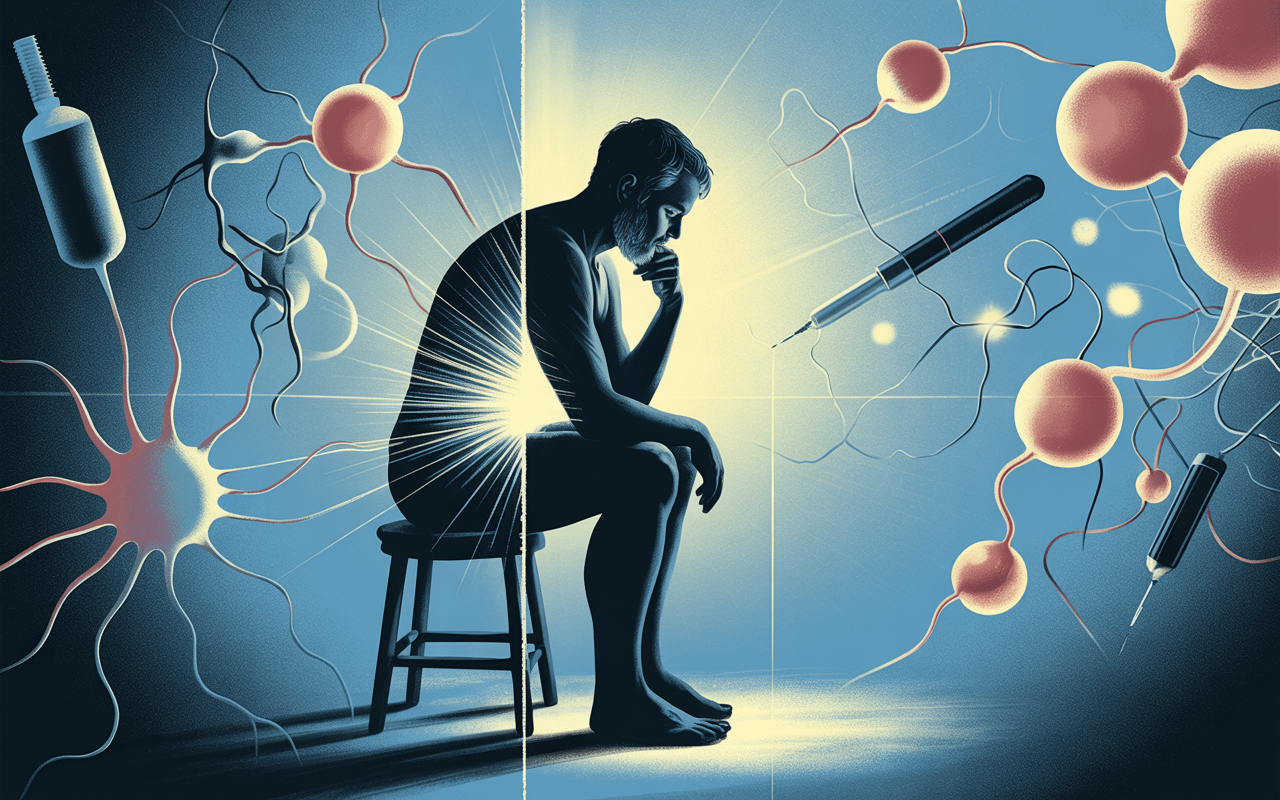

Understanding the link between low testosterone and type 1 diabetes—and why it matters more than you might think.
When Hormones Fall Silent: What You Should Know About Hypogonadism in Type 1 Diabetes
Type 1 diabetes (T1D) is often viewed through the narrow lens of insulin and blood glucose control. But beyond the sugar spikes and carb counting lies a more subtle and often overlooked challenge—hypogonadism, or low testosterone levels, particularly in males living with T1D. It’s the kind of condition that whispers before it roars, quietly disrupting metabolism, mood, sexual health, and long-term wellbeing.
So, should you be concerned? The answer, like any good endocrinological riddle, is both yes and no—but most importantly, you should be informed.
The Quiet Symptom: What Is Hypogonadism?
Hypogonadism is a condition where the body doesn’t produce enough testosterone, the primary male sex hormone. This can lead to delayed puberty in adolescents, low libido, erectile dysfunction, fatigue, muscle loss, infertility, and even depression in adults. In women, while less common and less studied, hormonal imbalances tied to gonadal function can similarly affect sexual health and fertility.
There are two primary types:
- Primary hypogonadism: where the testes themselves don’t function properly.
- Secondary hypogonadism: where the issue lies in the pituitary gland or hypothalamus, failing to send the correct signals to trigger testosterone production.
The Overlap With Type 1 Diabetes
Recent research indicates that men with type 1 diabetes are at higher risk for developing hypogonadism—and not just as they age. The connection isn’t coincidental. Chronic hyperglycemia, oxidative stress, inflammation, and insulin resistance (even in T1D, where insulin is administered externally) can all play roles in disrupting hormonal axes.
Add to this the fact that diabetes affects blood vessels and nerve function—both of which are critical for testicular and hypothalamic health—and you have a fertile ground for hormonal trouble.
A 2021 study published in Endocrine Reviews noted that up to 30% of men with long-standing T1D show signs of testosterone deficiency—a figure significantly higher than in the general population.
Puberty and Delayed Development
For adolescents with T1D, delayed puberty is a red flag. The hormonal orchestration of adolescence is intricate and delicate. The pituitary gland, pancreas, and gonads must work in concert. In T1D, this synchrony can falter, resulting in late or slowed sexual development.
Parents and healthcare providers should be alert: if a teen with T1D is not hitting expected pubertal milestones, it’s worth discussing hormone testing—not just A1c levels.
Signs and Symptoms Not to Ignore
In adult males with T1D, hypogonadism may present gradually, often masked by other diabetic complications or simply misattributed to aging. Watch for:
- Persistent fatigue and low energy
- Decreased muscle mass or strength
- Reduced libido or erectile dysfunction
- Depression or emotional flatness
- Difficulty concentrating (“brain fog”)
- Loss of body hair or changes in body composition
It’s not just about sex—it’s about quality of life.
Should You Be Worried? Yes, But Don’t Panic
Concern is justified—but not panic. Awareness is power. Untreated hypogonadism can increase the risk of osteoporosis, cardiovascular issues, and depression, which can already be elevated in diabetes. Moreover, low testosterone has been linked to increased insulin resistance—creating a vicious metabolic cycle.
But the silver lining? It’s treatable. Once diagnosed, testosterone replacement therapy (TRT) or targeted interventions can significantly improve symptoms and metabolic markers.
Diagnosis and Monitoring: A Proactive Approach
If you or a loved one with T1D exhibits any of the above symptoms, it’s reasonable to request a hormone panel, including:
- Total and free testosterone
- LH (luteinizing hormone)
- FSH (follicle-stimulating hormone)
- SHBG (sex hormone-binding globulin)
These tests are best performed in the morning, when testosterone peaks, and ideally fasted, as insulin and food intake can influence levels.
TRT, if indicated, can come in various forms: gels, injections, patches, or even oral tablets. But it’s crucial to individualize treatment and monitor side effects, including risks to prostate health and red blood cell counts.
What About Women with T1D?
While the link between hypogonadism and T1D is less clearly defined in women, menstrual irregularities, low libido, and fertility challenges are well-documented in female patients. Polycystic ovary syndrome (PCOS), premature ovarian insufficiency, and even hypothalamic amenorrhea are more common among women with diabetes—especially if glycemic control is poor.
Routine gynecologic care, hormone assessments, and open communication with endocrinologists are just as vital.
The Holistic Picture
Hypogonadism in T1D is a compelling reminder that diabetes doesn’t exist in a vacuum. It’s not just about insulin or diet, but about the whole person—including their hormones, emotions, sexuality, and sense of vitality.
Neglecting testosterone levels is like ignoring a quiet engine light on your dashboard. You may keep driving, but something beneath the hood is suffering.
Final Thoughts: From Silence to Strength
If you live with type 1 diabetes, or care for someone who does, know this: you don’t have to accept exhaustion, low libido, or emotional numbness as inevitable. These may be signs, not of personal failure or stress, but of a physiological imbalance that deserves attention.
Ask the question. Run the tests. Start the conversation.
Because when hormones fall silent, it’s time we start listening.
Hashtags for Social Media Engagement
#Type1Diabetes #Hypogonadism #LowTestosterone #DiabetesAwareness #MenHealth #EndocrineHealth #T1Dlife #DiabetesEducation #HormonalHealth #MensHealthMatters #TestosteroneDeficiency #DiabetesComplications #PubertyAndDiabetes #ChronicIllnessCare

Scopri di più da Lambertini, esperienza vissuta, salute, scrittura e visioni sul presente
Abbonati per ricevere gli ultimi articoli inviati alla tua e-mail.